The QBI deduction can feel like a reward for building something of your own. Then someone mentions “limits,” “exclusions,” and “phaseouts,” and you’re back in spreadsheet land wondering what business does not qualify for QBI deduction, and whether your business is quietly on the wrong side of the line.
This article breaks it down in plain English: which businesses can be excluded, how QBI income limits affect eligibility, and what to watch for before tax season. Simplicity Financial helps U.S. business owners remotely with tax planning, bookkeeping, and filing support, which is useful here because QBI is not just a “yes or no” question. It often depends on how the business is structured, what the income looks like, and whether the return is being prepared with the right documentation.
To keep the explanation grounded, the definitions and high-level rules in the next section follow the IRS overview of the Qualified Business Income deduction. See the IRS newsroom page on the qualified business income deduction.
What the QBI Deduction Is, in One Minute
Before answering what business does not qualify for QBI deduction, it helps to define the basic idea. The QBI deduction is commonly described as a deduction of up to 20% of qualified business income for eligible taxpayers with qualifying income from certain pass-through entities, subject to multiple rules and limitations. The IRS summary explains the concept and the broad framework, including that it applies to qualified business income from a qualified trade or business and that it includes income from pass-throughs like sole proprietorships, partnerships, S corporations, and certain trusts or estates.
If your immediate question is what business qualify for QBI, the short answer is: many pass-through businesses can qualify, but the details matter. That’s where exclusions, definitions, and the QBI deduction limitation rules enter the chat.
What Business Does Not Qualify for QBI Deduction

This is the core question, and it’s where people get tripped up because “does not qualify” can mean different things.
A business can fail QBI eligibility because of:
- the type of income (not QBI at all)
- the way the business is treated for tax purposes
- limitations triggered by income level
- special rules for specified service trades or businesses (often abbreviated as SSTBs) when income is above certain thresholds
The IRS overview explains that eligibility can be affected by taxable income and that certain service businesses face restrictions once taxable income exceeds threshold amounts. In other words, sometimes the business “type” is the issue, and sometimes it’s the income level.
This is also why it’s useful to confirm how the business is structured and taxed before assuming the QBI outcome. If you’re deciding between entity options or trying to understand how your structure influences deductions, these comparisons help clarify the starting point:
What Businesses Qualify for QBI and Why Structure Matters
People often search what businesses qualify for QBI because they assume QBI is tied to the state legal structure. The IRS framework is more about how income flows onto the return and whether it qualifies as QBI.
Generally, businesses that are treated as pass-throughs for federal tax purposes are the most common starting point when someone asks what business qualify for QBI. That includes many sole proprietorships, partnerships, S corporations, and LLCs taxed in those ways.
But LLCs are a perfect example of why clarity matters. An LLC is a state law entity, but it can be taxed in different ways depending on elections and ownership. If you want a clear explanation of the terminology, this guide on whether an LLC is incorporated or unincorporated helps translate the labels into something practical.
If your LLC has made, or is considering, an entity classification election, Form 8832 is often part of the conversation. That election can change how income is taxed and how deductions behave, which is why QBI planning can’t be separated from how the entity is treated for tax purposes.
QBI Income Limits and Why They Change the Answer
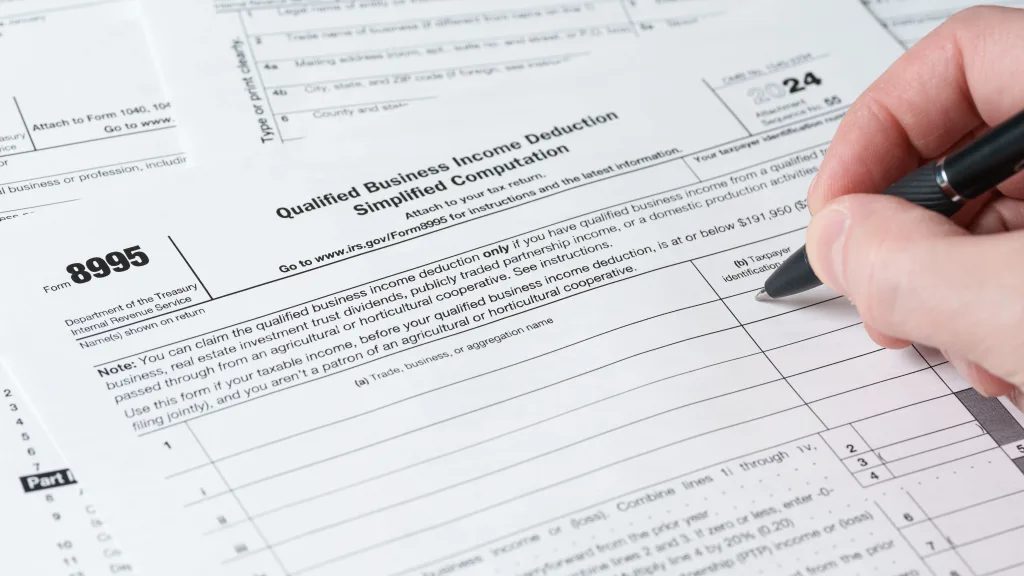
Now for the part that makes the QBI conversation feel slippery: QBI income limits.
The IRS summary explains that the QBI deduction is subject to limitations and that taxable income affects whether certain restrictions apply, especially for specified service trades or businesses. This is why QBI limits are often the real driver behind the question what business does not qualify for QBI deduction.
In practical terms, QBI income limits can change the answer in three ways:
- A business may qualify cleanly below certain income thresholds.
- A limitation can phase in as income rises, changing how much deduction is allowed.
- Some businesses, especially service-based ones, can face stricter outcomes above threshold amounts.
This is also why two owners in the same industry can have different QBI results. One has lower taxable income and sees a straightforward deduction. Another has higher taxable income and runs into QBI deduction limits that reduce or eliminate the benefit.
QBI Deduction Limits That Surprise Business Owners
Most people don’t get upset about deductions. They get upset about surprises. The QBI deduction limits that tend to surprise owners usually fall into these categories:
- The deduction is capped by taxable income rules rather than business revenue.
- The deduction can be limited by W-2 wages and qualified property factors once income exceeds thresholds.
- Certain service businesses can see the deduction reduced or eliminated above certain income levels.
This is where the phrase QBI deduction limitation becomes real. It’s not that the business is “bad.” It’s that the return hits a limitation rule.
If you’re trying to get ahead of this, a year-round planning habit helps more than a once-a-year scramble. This is where consistent tracking and forecasting can keep the QBI conversation grounded in numbers instead of guesswork.
How to Think About QBI When You’re Choosing an Entity
A lot of owners hit this question while forming, restructuring, or cleaning up an entity that’s grown faster than their paperwork.
If you’re in that stage, the right question often isn’t only what business does not qualify for QBI deduction. It’s also: “Is the structure helping or hurting how the business is taxed?”
These guides help owners ask better questions early:
- Best state to start an LLC for formation considerations
- Partnership vs LLC for ownership and tax flow comparisons
- LLP vs LLC for professional and structural differences
The goal isn’t to chase QBI at all costs. It’s to build a structure that fits your business and supports predictable tax planning.
How Simplicity Financial Helps Business Owners Plan Around QBI
QBI questions tend to show up in three moments:
- You had a strong year and want to understand what QBI limits do to your return.
- You’re growing and deciding whether your structure still makes sense.
- You’re tired of finding out the answer after the year is over.
This is where a remote team can be genuinely useful. QBI planning works best when the books are clean, the entity treatment is clear, and the return is prepared with the right documentation.
Here are the most relevant service paths for QBI-related planning:
- Outsourced bookkeeping services to keep income and expense records consistent, so QBI calculations don’t start with a cleanup project
- Tax preparation outsourcing to file accurately and apply the QBI rules correctly based on your actual tax situation
- Fractional CFO services when QBI is part of a bigger strategy question involving growth, payroll decisions, and long-term planning
If you want more plain-English explanations like this, the blog is a good place to browse before tax season pressure hits.
What Business Does Not Qualify for QBI Deduction: Next Steps

If you’re still asking what business does not qualify for QBI deduction, the most reliable next step is to stop treating QBI as a generic “business deduction” and start treating it like a calculation tied to your structure and taxable income. Once you know whether you’re dealing with a business-type restriction, QBI income limits, or a specific QBI deduction limitation, the path forward becomes much clearer.
If you want help turning your situation into a clear plan, start here: contact Simplicity Financial ✅
Frequently Asked Questions About What Business Does Not Qualify for QBI Deduction
What Business Does Not Qualify for QBI Deduction in Simple Terms
What business does not qualify for QBI deduction can include situations where the income is not QBI, where limitations apply due to taxable income, or where specified service rules reduce eligibility above certain thresholds. The IRS overview explains the broad framework and limitations.
What Business Qualify for QBI vs What Businesses Qualify for QBI
What business qualify for QBI and what businesses qualify for QBI usually points to pass-through income that meets QBI definitions, subject to limitations. Eligibility often depends on how the business is taxed and the taxpayer’s taxable income.
How Do QBI Income Limits Affect the Deduction
QBI income limits can change whether limitations phase in, and they can reduce or eliminate the deduction in certain cases. This is why QBI limits often matter as much as the business type.
What Are the Most Common QBI Deduction Limits
QBI deduction limits commonly involve taxable income thresholds, W-2 wage and qualified property limitations, and restrictions for certain service businesses above threshold amounts.
What Is a QBI Deduction Limitation and Why Does It Matter
A QBI deduction limitation is a rule that reduces how much deduction can be claimed even if the business has qualifying income. It matters because it can change the expected tax outcome, especially in higher-income years.
Where Can a Business Owner Get Help Reviewing QBI Eligibility
A qualified tax professional can help determine whether the issue is business type, QBI income limits, or another limitation. For remote support across the U.S., Simplicity Financial can help business owners build a clear plan for compliance and tax strategy.
Disclaimer
This article is for general informational purposes only and does not constitute tax, legal, or accounting advice. Readers should consult a qualified accountant or tax professional for guidance tailored to their situation and verify details with official IRS guidance before making decisions.