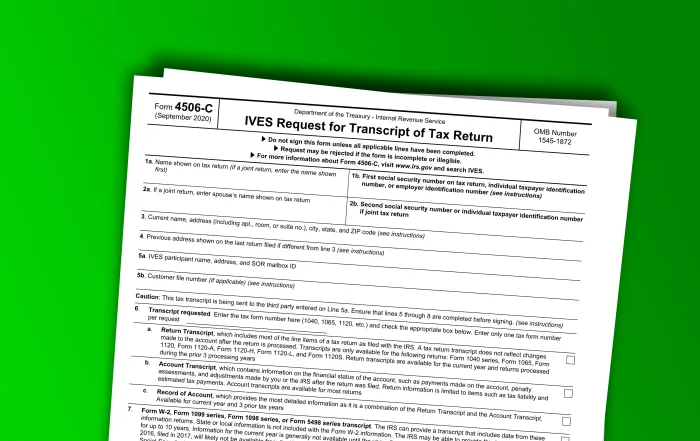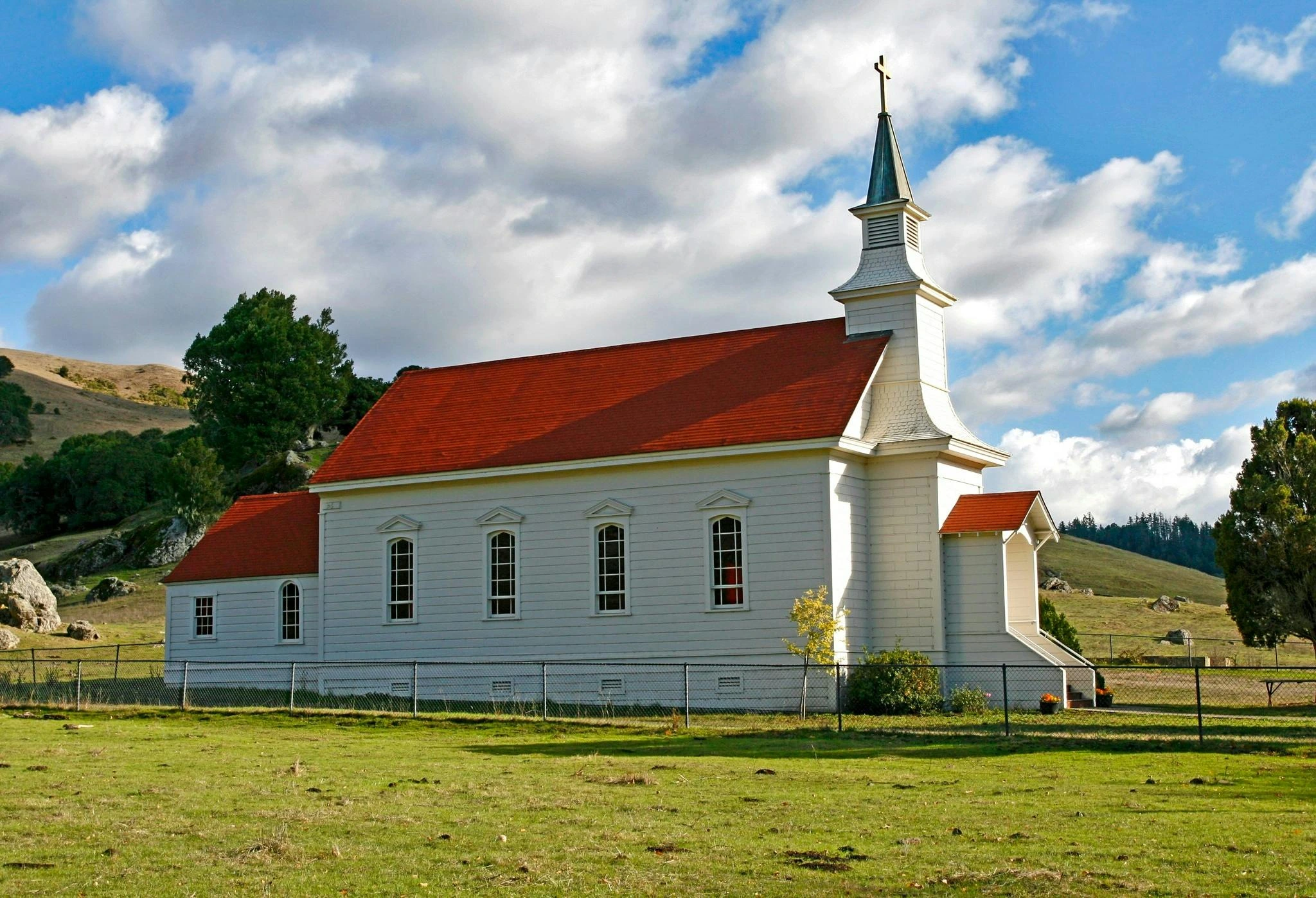
If you’re part of a church leadership team—pastor, treasurer, or board member—property taxes probably aren’t your first thought each Sunday. But they matter. Especially if your church owns land or is considering expansion.
So the question comes up often: do churches pay property taxes?
The answer is usually no. But like most tax matters, it’s not quite that simple. Every state—and sometimes each county—has its own rules. And while churches generally benefit from property tax exemptions, there are crucial compliance steps to make sure those savings stick.
At Simplicity Financial, we’re passionate about helping faith communities across America handle their finances wisely. Whether it’s understanding tax exemptions, maintaining spotless records, or forecasting for new property purchases, our fully remote team is here to help.
👉 Reach out today to learn how we can support your church’s mission and protect its resources 🙌.
So, Do Churches Pay Property Taxes or Not?
The short answer is no, most churches in the United States do not pay property taxes on land or buildings used exclusively for religious purposes.
Churches fall under the umbrella of nonprofit organizations recognized by the IRS under section 501(c)(3). Because of this status, they’re generally exempt from federal income taxes and, in most cases, state and local property taxes.
However, here’s where it gets nuanced:
- The exemption must often be applied for and documented. Local authorities usually require specific filings to grant or maintain the exemption.
- Non-worship uses may be taxable. For example, if your church rents space to a business during the week, that portion could lose exemption.
- Rules vary by state. In California, for example, churches typically qualify for a property tax exemption under the Welfare Exemption. But the church still needs to file and renew its claim.
Do Churches Pay Property Taxes in California?
Our firm is proudly based in Eastvale, California. We see these questions all the time in our own community.
California law is quite generous to churches: property used exclusively for religious worship generally qualifies for exemption from property tax. Still, churches must submit exemption applications to the local county assessor and may need to file annual statements.
Want to see how general property tax works in our area? Check out our article on the Eastvale CA property tax rate to understand how tax bills are typically calculated—then compare that to what your church might be saving under an exemption.
This is where our team shines. We don’t just help churches in California—our services are fully virtual, designed for congregations anywhere in the U.S. to keep you compliant with local requirements, whether you’re in Texas, Ohio, or New York.
Why It Matters to Get Professional Help

1. Avoid Losing Your Exemption
One of the top reasons churches unexpectedly face tax bills? Missed filings or improperly documented use. With Simplicity Financial, you have experts tracking your deadlines and ensuring all paperwork is complete—whether for local assessors or the IRS.
2. Plan for Future Property Purchases
Dreaming of a new sanctuary or community center? You’ll want financial models that consider how any taxable portions could impact your cash flow. Our fractional CFO services and tax preparation expertise give you the strategy you need to grow wisely.
3. Keep Clear, Audit-Ready Records
Churches must prove their exempt use if ever audited by tax authorities. With our church bookkeeping and outsourced bookkeeping, you’ll always be ready—no scrambling through a shoebox of receipts.
Do Churches Have to Pay Taxes on Property If They Lease It?
This is a common area of confusion. If a church leases out part of its building to a for-profit business—say a café, bookstore, or daycare—the income could be considered unrelated business taxable income (UBTI) and the property may lose exemption on that portion.
It doesn’t mean your entire property becomes taxable, but it does mean meticulous record-keeping and possibly paying taxes on the leased space.
Our virtual CFO services can model how partial leases impact your bottom line and tax situation—helping you make wise stewardship decisions.
Other Questions Churches Ask About Property Taxes
Do churches have to pay property taxes on parsonages?
It depends on the state and how the property is used. Often, housing provided directly for clergy tied to their work may qualify for exemption. But the rules are detailed. That’s why many churches consult us to ensure compliance.
What about improvements or new construction?
Even with exemptions, churches may still pay special assessments or fees for improvements like sidewalks, street lighting, or drainage. This isn’t property tax per se, but it’s a cost to budget for.
Can churches ever lose their exemption?
Yes. Misusing property, failing to file required forms, or using the space primarily for non-religious purposes can jeopardize exemptions. That’s why proactive, expert financial management is essential.
How Simplicity Financial Helps Churches Nationwide

We’re headquartered in California but fully virtual—serving churches coast to coast. Here’s how we bring peace of mind to your ministry:
✅ Tax & compliance support: From preparing exemption paperwork to managing property tax questions tied to expansions or renovations.
✅ Financial forecasting & advisory: Our fractional CFO services help you plan capital campaigns, understand cash flow impacts of new facilities, and meet board reporting needs.
✅ Specialized church bookkeeping: We understand how to track designated vs. unrestricted funds, gifts-in-kind, and multiple ministry budgets.
✅ Fully remote, totally secure: No matter where your church is, our encrypted systems and experienced team deliver big-firm financial power with small-firm attention.
Want to see more on day-to-day costs? Explore resources like our page on are property taxes deductible—helpful for your church staff or finance committee’s own tax situations.
Let’s Strengthen Your Church’s Financial Future Together
Your mission matters too much to risk with incomplete records or surprise tax issues. With Simplicity Financial, you get a team that understands churches—how they operate, how they grow, and how to protect their tax-exempt status.
Whether you’re a small congregation leasing your first building or a large church preparing for a capital campaign, we bring decades of experience in nonprofit and church finance. And because we’re fully remote, we’re ready to help your church anywhere in the U.S.
👉 Contact us today and see how we can help your church steward its finances faithfully 🙏.
Frequently Asked Questions About Church Property Taxes
Do churches pay property taxes?
Generally, no. Churches usually qualify for property tax exemptions if property is used exclusively for worship or ministry. But documentation and filings are crucial.
Do churches have to pay property tax on rental income?
If your church rents space to a for-profit business, that portion may be taxable. That’s why it’s key to work with an expert who can help you properly allocate and document these uses.
Do churches pay property taxes in California?
Most churches in California qualify for the Welfare Exemption, but must apply through the county assessor and keep annual filings current.
What happens if a church forgets to file?
You could lose your exemption, resulting in a surprise tax bill—plus penalties and interest. This is why partnering with a financial team like Simplicity Financial protects your ministry’s resources.
Disclaimer: This article is for general information only and does not constitute tax or legal advice. Please consult qualified advisors or your local tax authorities, and see the IRS guidance on churches and tax exemptions for more details.