If you have been told your accounting method may need to change, or you are wondering whether the method you have been using is actually the right one for your business, the paperwork is not where to start. The more important questions come before that: whether a change is necessary, which method serves your situation, and what the financial consequences of switching will look like on your return.
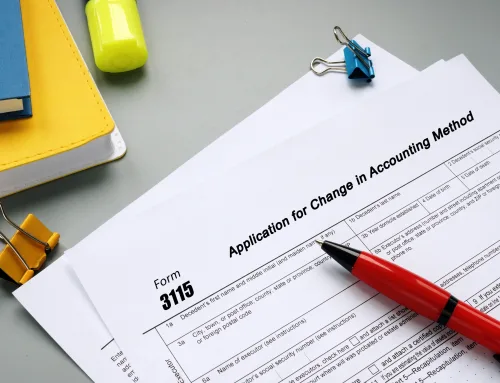
This guide covers the decision-making side of accounting method changes, the strategic considerations that apply to different business types, and how to know when it is time to bring in professional support. If you are ready to move forward with the filing itself, our complete guide to Form 3115 covers that process in full detail.
Before you work through any of this alone, it is worth knowing that method change decisions have real tax consequences that vary by situation. Simplicity Financial’s accounting services are available entirely online, supporting businesses across California and nationwide through exactly these kinds of transitions.
What is a Change in Accounting Method?
A change in accounting method is a formal IRS-recognized shift in how income and expenses are timed on your tax return. It covers changes to your overall method (such as switching from cash to accrual) as well as changes to how specific items are treated, including inventory valuation, depreciation schedules, and how prepaid expenses or deferred revenue are recognized.
The total income you report over time may not change, but the timing shifts, and that timing has a direct effect on your tax liability in any given year. That is why the IRS treats method changes as a formal process rather than a simple bookkeeping adjustment.
It is also worth understanding what a method change is not. Fixing a math error, correcting a misposted transaction, or revising an estimate like the useful life of an asset are not method changes. Those situations follow a different path entirely. For background on how tax accounting differs from financial accounting more broadly, see our overview of audit vs. tax accounting.
Why Businesses End Up Needing a Method Change

Most businesses do not choose to change their accounting method for abstract reasons. Something specific prompts it.
1. Crossing the gross receipts threshold
Under the Tax Cuts and Jobs Act, businesses with average annual gross receipts of $31 million or less (for 2026, adjusted annually for inflation) can generally use the cash method of accounting. Once a business exceeds that threshold, a change to an accrual method may be required. That transition does not happen automatically. Missing it creates real IRS exposure, including back taxes, interest, and potential penalties. Businesses approaching that threshold should be planning for the transition before they cross it, not after.
2. An IRS audit reveals an impermissible method
Some businesses have been using a method that was never permitted for their entity type or industry, often without realizing it. When an audit surfaces this, the correction has to follow the formal method change process. Addressing it proactively, before an audit, is almost always the better outcome.
3. A new advisor identifies a longstanding problem
Accounting staff and advisors turn over. When a new CPA or bookkeeper reviews historical records, they sometimes find that a prior method was applied incorrectly for years. The longer this goes unaddressed, the more complex the correction becomes.
4. Tax planning creates an opportunity
Sometimes a method change is not a correction but a deliberate strategy. Switching methods can defer taxable income into a later year, accelerate deductions into the current year, or better align the timing of tax obligations with actual cash flow. These are legitimate planning tools when used correctly and filed through the proper IRS process.
5. Growth changes what is permissible or advantageous
A method that made sense for a small startup may become the wrong choice as a business scales. Revenue recognition, inventory complexity, and multi-entity structures all create situations where the original method no longer fits.
Cash vs. Accrual: Choosing the Right Method for Your Business

The most common method change decision is between cash and accrual accounting, and the right answer depends on your business structure, size, and how you want to manage tax timing.
The cash method recognizes income when it is received and expenses when they are paid. It is simpler to administer and gives business owners more direct control over the timing of income and deductions. A business on the cash method can, within limits, accelerate deductions by paying expenses before year end or defer income by delaying invoicing. For smaller businesses operating below the gross receipts threshold, the cash method often provides meaningful flexibility.
The accrual method recognizes income when it is earned and expenses when they are incurred, regardless of when cash changes hands. It tends to provide a more accurate picture of financial performance over time, which matters for businesses seeking financing, preparing GAAP financial statements, or managing complex receivables and payables. Businesses above the gross receipts threshold are generally required to use it.
The strategic question is not just which method is permitted, but which one produces the most favorable and manageable tax position given your revenue patterns, expense timing, and growth trajectory. A business with highly seasonal revenue, for example, may find that the cash method gives it more control over when large tax liabilities fall due.
How Different Business Types Should Think About This Decision
The right accounting method is not the same for every business. Industry, entity type, and revenue structure all affect which methods are available and which are advantageous.
Small businesses and sole proprietors below the gross receipts threshold have the most flexibility. The cash method is often the right default, but it is worth reviewing periodically as revenue grows. If the business has significant inventory, additional rules may apply regardless of overall size.
Real estate investors and landlords frequently encounter method change decisions around depreciation. Using the wrong depreciation schedule, or missing depreciation entirely in prior years, is one of the most common issues in this category. Cost segregation studies can create additional method change considerations by reclassifying property components into shorter depreciation lives. These situations typically involve a Section 481(a) adjustment to catch up on prior missed deductions, which our Form 3115 guide covers in detail.
Contractors and construction businesses face unique rules around long-term contracts. Depending on size and contract type, they may qualify to use the completed-contract method, which defers all income until a project is finished, rather than recognizing it progressively. For businesses that qualify, this can be a meaningful tax timing advantage, but accessing it requires a formal method change.
Nonprofits and tax-exempt organizations generally only encounter accounting method rules in the context of unrelated business income (UBIT). If your organization has taxable UBIT, the method used to recognize that income affects your tax liability, and a formal change may be required if your current approach does not reflect a permitted method.
Growing businesses approaching the gross receipts threshold should be planning the cash-to-accrual transition in advance rather than reactively. The transition involves a Section 481(a) adjustment that can create a significant income recognition event if not managed carefully. Understanding the financial impact before the threshold is crossed gives you time to plan around it.
The Financial Implications of Switching Methods

Changing your accounting method is not a neutral event on your tax return. The Section 481(a) adjustment, which captures the cumulative difference between what was recognized under the old method and what would have been recognized under the new one, can create a meaningful income or deduction in the year of change.
When the adjustment is positive (meaning you would have recognized more income under the new method), the IRS allows you to spread that amount over four tax years, which softens the impact. When the adjustment is negative (meaning you would have recognized less income, as is typically the case when catching up on missed depreciation), the full deduction is taken in the year of change.
This means the timing of a method change matters strategically. A year in which you have other offsetting deductions, lower income, or loss carryforwards may be a better year to take a positive adjustment than a high-income year. Conversely, a negative adjustment that creates a large deduction is most valuable in a year when your marginal tax rate is highest.
Working through these considerations before filing is where the real planning value lies. The form itself is the execution step. The decision about when and whether to change, and what the financial impact will look like, is where a CPA’s input matters most.
How to Know When it is Time to Get Professional Support
Some method change situations are relatively contained. Others are not. Professional support is worth considering when any of the following apply.
- Your business is approaching or has recently crossed the gross receipts threshold
- You have missed or incorrectly claimed depreciation across multiple years
- You are considering a cost segregation study on real property
- A new advisor or bookkeeper has flagged a potential method problem
- You have been contacted by the IRS about a return that involves a method issue
- Your business has grown significantly and you are unsure whether your current method still fits
- You are preparing financial statements for lenders or investors and need GAAP alignment
In each of these situations, the stakes are high enough that filing incorrectly or waiting too long creates more risk than it resolves.
According to the U.S. Bureau of Labor Statistics, demand for accountants and auditors remains strong, with experienced professionals in short supply in many markets. That means method problems can go unaddressed longer than they should when businesses rely on overextended advisors. Having a dedicated CPA review your accounting methods as part of your regular financial planning is one of the more reliable ways to catch these issues early.
Getting Your Records Ready Before the Process Begins
One practical step that applies in almost every method change situation is making sure your financial records are organized before the formal process starts. The Section 481(a) adjustment requires a clear picture of what was recognized under the old method across all prior periods. If your books are incomplete, inconsistently maintained, or not organized at the transaction level, the calculation becomes significantly more difficult and the risk of errors increases.
Simplicity Financial’s bookkeeping services help businesses get their records into the shape needed to support this kind of analysis, well before any IRS filing is involved. Clean books make every downstream process easier, including method changes, tax preparation, and financial reporting.
A Method Change is a Planning Decision, Not Just a Filing
The businesses that benefit most from accounting method changes are the ones that approach them as a deliberate financial decision rather than a compliance task to get through. Identifying the right method for your situation, understanding the tax timing implications, and preparing your records properly are what make the actual filing straightforward.
When you are ready to move forward with the paperwork, Simplicity Financial handles Form 3115 filings regularly, working entirely online with businesses across California and nationwide. Book a free consultation and we will help you work through the decision before we get to the form.
Disclaimer: This article is for general informational purposes only and should not be taken as tax, accounting, legal, or financial advice. Rules can change, and the right approach depends on your specific situation. For guidance related to your personal, business, nonprofit, or ministry finances, speak with a qualified CPA or tax professional.
Related: How to Evaluate Tax Relief Companies for IRS Installment Agreements